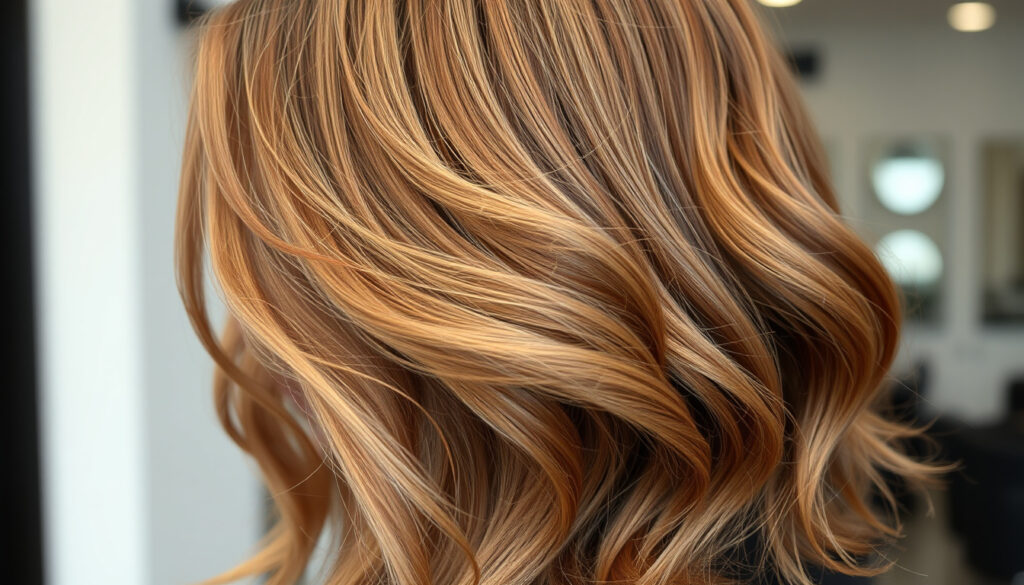
Shoulder Length Hairstyles for Fine Hair: 25+ Volumizing Looks
If you have fine or thinning hair, you’ve probably noticed that everything starts looking a little flat once your hair reaches shoulder length. The solution isn’t necessarily going shorter—it’s choosing cuts that work with your hair’s natural tendency rather than against it. Strategically placed layers, subtle texturizing, and the right blunt-edge placement can make shoulder-length hair look substantially fuller than it actually is. Below, 25+ volumizing looks from fashion editors and hair experts are broken down into what actually works, what to skip, and why this length sits in the sweet spot for fine hair.
Vogue Haircuts for Thin Hair: 15 recommended · Southern Living Medium Styles: 28 for thin hair · InStyle Shoulder-Length Looks: 10 for fine hair · The Right Hairstyles Medium Cuts: 70 for thin hair
Quick snapshot
- Layers add volume for fine hair from multiple sources (Toppik Blog)
- Wolf cut features choppy disconnected layers (Toppik Blog)
- Butterfly cut wings out from shorter crown to longer ends (Toppik Blog)
- Exact application of the 3-inch rule varies by stylist and face shape
- No definitive clinical data linking specific cut types to measurable fullness increase
- Shag cut major comeback as retro-inspired volume style — 2026 trends (John Frieda)
- Wolf cut emerges as modern edgy layered style for thin hair — 2026 (Toppik Blog)
- 52 shoulder-length cuts for fine hair featured — 2026 (Latest-Hairstyles)
- Low-maintenance volumizing cuts dominate 2026: wolf cut, shag, breezeline
- Feathered and piecey finishes replace blunt heaviness for fine hair styling
Five key dimensions separate the cuts that actually add fullness from the ones that leave fine hair looking flat.
| Cut | Style | Volume boost | Maintenance | Best face shape |
|---|---|---|---|---|
| Wolf Cut | Choppy disconnected layers | High | Medium | Most shapes, especially oval |
| Butterfly Cut | Wing-like crown short, longer ends | High | Low | Heart, oval, round |
| Blunt Bob | Chin to shoulders solid line | Medium | Low | Oval, square |
| Shag Cut | Retro choppy textured layers | High | Medium | Most shapes, angular faces |
What is the best shoulder length hair for fine thin hair?
2026 has been a breakthrough year for fine hair at shoulder length. According to Latest-Hairstyles (Comprehensive guide with 52 specific shoulder-length cuts for fine hair), this length gives you enough hair to create the illusion of thickness while sidestepping the flat, limp effect that longer cuts can have on fine strands.
Three cuts consistently outperform the rest for fine, thinning hair at shoulder length:
- Textured Lob. Uses subtle layers and face-framing pieces that blend in for movement and softness without adding bulk. Straight or lightly waved, this cut from Latest-Hairstyles (Hairstyle expert platform) is versatile for daily styling.
- Layered Bob. Sits between chin and shoulder with side bangs or wispy fringe. The layers around the crown create lift where fine hair needs it most, and the length doesn’t overwhelm a smaller hair diameter.
- Blunt Cut with Bangs. A clean, straight across bottom edge with soft fringe that opens the face and adds texture. As noted by The Right Hairstyles (Low-maintenance styling guide), blunt ends give fine hair a more substantial look without layers.
Shoulder length hits the ideal balance for fine hair: long enough to simulate thickness through its own weight and styling options, short enough to avoid the flattening drag that longer lengths create on fine strands.
The implication: the right cut at shoulder length does more for perceived fullness than most products or styling tricks could ever accomplish alone.
Should fine hair be one length or layered?
This is the question hair stylists hear most from clients with fine or thinning hair, and the answer is more nuanced than a blanket recommendation.
One Length Benefits
One-length cuts work best when you want to preserve density and avoid any bulk risk. As Latest-Hairstyles (Haircut styling authority) explains, the even line creates the illusion of more hair by presenting a unified visual edge rather than fragmented layers.
Layered Options
Layers are the primary volume-building tool for fine hair. Strategic layers remove unnecessary weight and create the illusion of thickness. Toppik Blog (Hair care product and styling specialist) notes that point-cutting and texturizing techniques make hair look denser rather than thinner.
Stylist Preferences
The consensus from Toppik Blog (Hair care expert platform): keep layers light and concentrated around the crown and face-framing areas rather than all over. Wispy layered bangs add softness and volume without the weight of heavy fringe.
A one-length cut gives a clean, polished look, but light layers build the volume fine hair actually needs. The trade-off is between minimal styling effort and maximum fullness — and for fine hair, the layers usually win.
What to avoid with fine hair?
Stylists’ biggest frustrations with fine hair clients come down to three recurring mistakes, according to hair care experts:
Heavy Products
Rich creams, heavy leave-in conditioners, and oil-based serums weigh fine hair down fast. Toppik Blog (Hair care expert platform) recommends volumizing mousse and root-lifting spray instead — products that build body without greasing up the scalp.
Over-Layering
More layers does not mean more volume. Latest-Hairstyles (Hairstyle expert platform) specifically advises keeping layering subtle and face-framing rather than aggressive. Over-layered cuts paradoxically reduce the perceived density of fine hair by stripping each strand of its share of weight.
Ponytails and Tight Buns
High ponytails and tight buns look polished but strain the hairline. As The Right Hairstyles (Styling and maintenance specialist) notes, the constant tension pulls on fine strands that are already prone to breakage — especially around the temples where thinning first shows up.
The cuts that look most effortless — shags, wolf cuts — require the most precise cutting technique. A poorly executed shag is not low-maintenance; it’s just messy. The cut needs to be right before the styling simplicity can take over.
Does shoulder length hair make you look younger or older?
The answer depends on where the cut lands and how it handles volume. According to Blissy (Hair styling guide for women), medium-length cuts add depth and dimension to thin hair, creating a more youthful overall appearance when done right.
Youthful Effects
Cutting above the shoulders creates that lifted, fresh-faced look associated with younger styling. As hair gets longer and heavier, it starts to drag the face downward visually — shoulder-length cuts with volume at the crown counteract that pull.
Aging Risks
Go too short and the cut can look severe or aging. As HairSocial (Volumizing haircuts for thin hair specialist) points out, longer layers create movement and a balanced weight distribution that prevents fine hair from looking stringy.
Styling Tips
The best age-proofing move for shoulder-length fine hair: keep layers light and focused on the crown, skip heavy interior layering that thins each strand individually, and maintain the cut every six to eight weeks to keep the shape from growing out into something unflattering.
What is the best haircut for very thin fine hair?
When thinness is the primary concern, certain cuts have a track record of creating the most perceived fullness per strand of hair you actually have.
Shoulder-Length Bobs
The Wolf Cut (choppy, disconnected layers) has dominated 2026 for a reason. The style features choppy, disconnected layers that add volume and prevent fine hair from lying flat against the head. As Toppik Blog (Hair care expert platform) confirms, this structural approach is among the most effective for thin hair looking to maximize its natural body.
Volumizing Layers
The Butterfly Cut (shorter crown to longer ends, wing-like) layers shorter pieces at the crown that wing out toward longer ends, adding movement to thin hair with minimal styling. Texturizing spray finishes the look naturally.
Over 50 Styles
A Textured Shoulder-Length Cut positioned above the collarbones (Latest-Hairstyles verified) works well for those dealing with thinning or mature hair. Air-dry and tousle is the entire routine. As noted by Blissy (Hair styling authority), the tapered lob with long layers is both flattering and low-maintenance for fine shoulder-length hair.
Low maintenance and high volume often feel mutually exclusive — but the right cut collapses that trade-off entirely. The initial investment in a precise cut means daily styling becomes optional rather than mandatory.
Upsides
- Layers build natural volume without products
- Shoulder length avoids both flatness and severity
- Textured cuts work with air-dry routines
- Specific cuts (wolf, butterfly, shag) designed for fine hair
- Blunt ends give illusion of density without layers
- Wispy bangs add softness without heavy fringe weight
Downsides
- Over-layering reduces density rather than adding it
- Precise cutting required — bad execution makes styles worse
- Heavy products can undo volume built by the cut
- Regular trims every six to eight weeks needed to maintain shape
- Not all shoulder-length cuts suit all face shapes equally
- Some cuts require initial styling skill before air-dry works
Quotes
“Medium length layered hairstyles are particularly effective for creating the illusion of thickness and adding movement to fine hair.”
— Toppik Blog (Hair Care Expert)
“It’s perfect for adding volume and movement, making it ideal for those with thin or fine hair.”
— John Frieda (Hair Brand Expert)
“Shoulder-length haircuts are perfect for fine hair—they give you enough length for styling versatility without weighing your hair down.”
— Latest-Hairstyles (Hairstyle Expert)
“This is one of the most flattering shoulder-length haircuts for fine hair!”
— Blissy (Hair Style Guide)
For anyone with fine or thinning hair, the path forward is straightforward: choose a cut built for volume (layered lob, wolf cut, or textured blunt bob), keep products light, and book your next trim before the shape rounds out. Skip the heavy creams and the too-tight ponytails, and your shoulder-length cut will do the work products cannot.
Related reading: 52 Perfect Shoulder-Length Haircuts for Fine Hair · Best Medium Length Hairstyles for Thin Hair
For even more inspiration on making fine hair appear fuller, consider haircuts for thin hair alongside these shoulder-length favorites.
Frequently asked questions
What is the 3 inch rule for hair?
The 3-inch rule is a proportionality guideline: the top and crown section should be approximately 3 inches longer than the sides and back. For fine hair, this keeps the overall shape balanced and prevents the sides from weighing down the crown volume.
What is the 7 day haircut rule?
The 7-day rule is a common myth suggesting you should get a haircut every week. Hair professionals generally recommend trimming every four to six weeks for maintenance cuts — weekly trims are unnecessary and can stress fine hair and scalp if overdone.
What vitamin are you lacking if your hair is thinning?
Hair thinning is commonly linked to deficiencies in iron, zinc, vitamin D, and B vitamins. A healthcare provider can run tests to identify specific shortfalls — addressing nutritional gaps supports hair health alongside the right cut.
Can shoulder length hair add volume to fine hair?
Yes — with the right cut. Shoulder-length cuts with light layers, texturizing, and blunt ends build visual fullness. The length itself is neutral; the cut technique determines whether volume goes up or down.
How often to trim fine hair?
Every six to eight weeks is the standard recommendation for maintaining the shape of a shoulder-length cut on fine hair. Waiting longer risks the shape growing out into something unflattering; trimming more frequently than six weeks provides minimal additional benefit.
More related posts
 Who Got Eliminated from I’m a Celebrity? Latest Evictions
 Bank Holiday October 2025: US, Ireland, Philippines Dates
 Task HBO Miniseries: Is It Worth Watching? Episodes & Season 2
 UK 11 in EU: Your Complete Shoe Size Conversion Guide
 Drive to Survive Season 7: Release Date, Episodes & Future
 Elon Musk Net Worth 2026: First Trillionaire
 Best Perfume for Women 2025-2026: Top 10 Fragrances
 Houses for Sale in Waterford City: Guide to Prices & Areas