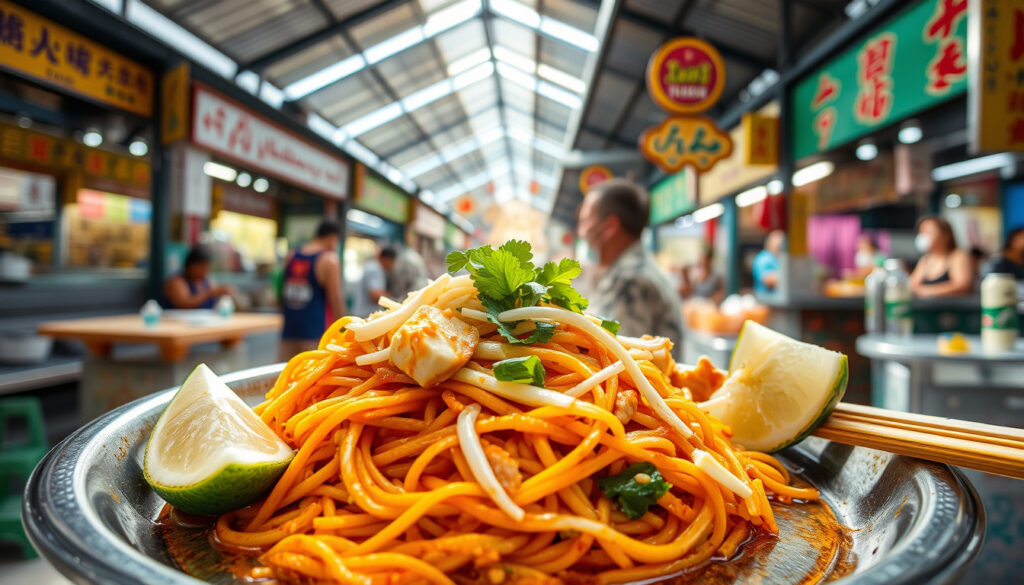
Mee Siam Near Me – Best Hawker Centres in Singapore
Searching for mee siam near you means navigating Singapore’s vibrant hawker culture, where this tangy, spicy Peranakan noodle dish has become a staple at food centres across the island. Whether you’re a visitor exploring Chinatown or a resident seeking authentic flavours away from tourist hotspots, understanding where and how to find quality mee siam can significantly enhance your culinary experience.
Mee siam stands apart from other Singaporean noodle dishes through its distinctive tamarind-based sauce, which delivers a balanced sweet-sour-spicy profile that distinguishes it from milder Thai equivalents. The dish typically features thin rice vermicelli stir-fried with prawns, firm tofu, bean sprouts, and hard-boiled egg, though variations exist across different stalls and neighbourhoods. For those wondering how to locate the best versions near them, the answer often lies not in restaurants but in the humble hawker centres that define Singapore’s street food culture.
Where to Find Mee Siam Near You
Authentic Hawker Style
Traditional dry version with tamarind, prawns, tofu, bean sprouts, and chives at regulated food centres
Restaurant Versions
Peranakan establishments offering refined presentations, often with extended seating and air conditioning
Spice Levels
Stalls range from mild to fiery, with hawker tweaks adding extra chili upon request
Common Pairings
Often served with lime wedges, chili paste, and iced beverages like teh halia
Key Insights for Finding Quality Mee Siam
Prioritise hawker centres over tourist-oriented restaurants for authentic flavour and fair pricing
Old Airport Road Food Centre and Tiong Bahru Market attract predominantly local crowds seeking genuine hawker fare
Chinatown Complex Food Centre houses 260 stalls including multiple Peranakan options, making it ideal for variety
Visit during off-peak hours to avoid lunch rushes and secure better service at popular stalls
Delivery apps like GrabFood and Foodpanda offer mee siam from centres including Chinatown Complex and Maxwell
Request spice adjustments directly at the stall—hawkers typically accommodate personal preferences
Share tables during busy periods, as communal dining is standard practice at all hawker centres
Hawker Centres Serving Mee Siam
Centre Name
Location
Key Features
Typical Hours
Maxwell Food Centre
Chinatown/Tanjong Pagar
Michelin chicken rice nearby, busy local atmosphere
8am–10pm
Chinatown Complex Food Centre
Chinatown
Largest centre with 260 stalls, Peranakan focus
8am–10pm
Old Airport Road Food Centre
Near Katong
Historic since 1970s, authentic local crowd
Varies, busy evenings
Tiong Bahru Market & Food Centre
Tiong Bahru
Traditional breakfasts, off-the-beaten-path location
Varies
Lau Pa Sat
CBD
Colonial architecture, satay street after 7pm
24 hours (stalls vary)
Local Recommendation
Many Singaporeans consider Old Airport Road Food Centre the finest spot for authentic hawker cuisine. Established in the 1970s, it has maintained its reputation for serving classic local dishes away from tourist routes, making it particularly valuable for those seeking genuine mee siam experiences.
What is Mee Siam?
Mee siam represents a culinary adaptation that reflects Singapore’s multicultural heritage. The dish originated from Malay influences that were transformed by the Peranakan community, resulting in a unique fusion that now defines Singaporean identity. The name itself translates to “Malaysian noodles” in Hokkien, though the dish has evolved considerably from its historical roots to become distinctly Singaporean in character.
The defining characteristic of authentic mee siam lies in its tamarind-based sauce, which provides the signature tangy flavour that sets it apart from similar noodle dishes across Southeast Asia. Unlike Thai versions that tend toward sweeter profiles, Singapore-style mee siam emphasizes a pronounced sourness balanced with dried shrimp, garlic, chili, and sugar. This complexity explains why the dish has remained popular for decades and continues to attract both locals and visitors seeking bold, multidimensional flavours.
Core Ingredients and Preparation
Authentic mee siam preparation begins with rice vermicelli, which is briefly soaked and then stir-fried over high heat. The tamarind paste serves as the foundation, combined with dried shrimp for umami depth, fresh chili for heat, and garlic for aromatic base. Traditional versions incorporate prawns, firm tofu cut into strips, bean sprouts for texture, hard-boiled egg quarters, and chives as garnish. The dish is cooked dry rather than in soup, distinguishing it from related dishes like laksa or mee rebus.
Ingredient Notes
The tamarind used in Singapore mee siam provides significantly more sourness than Thai preparations. Lime wedges are typically served alongside for those who prefer additional acidity. The dried shrimp component adds a distinctly savoury element that casual observers often cannot identify but immediately recognise once mentioned.
Regional Variations
While the dry, tamarind-forward version represents the classic Singapore style, variations exist across different stalls and neighbourhoods. Some hawkers offer a gravy-style mee siam that incorporates coconut milk, creating a richer, creamier dish closer to neighbouring Malaysian preparations. Vegetarian versions omit prawns entirely while maintaining the essential sweet-sour-spicy balance through increased tofu and vegetable content.
Best Mee Siam Spots by City
For visitors exploring Singapore specifically to sample authentic mee siam, certain neighbourhoods and food centres warrant priority attention. The country’s hawker infrastructure centres on regulated food courts that consolidated street vendors during the 1970s modernization drive, creating clusters where quality has been refined over decades of competition.
Chinatown District
Chinatown Complex Food Centre stands as the largest hawker establishment in Singapore, housing approximately 260 stalls across multiple floors. The sensory experience begins upon arrival, with aromatic steam from various cooking stations permeating the air. Peranakan-specialised stalls within this complex offer mee siam prepared according to traditional recipes, often with generational expertise passed down through families. The centre’s location in Singapore’s most visited tourist district makes it accessible, though stalls here maintain quality comparable to less touristy locations.
Maxwell Food Centre, situated nearby in the Tanjong Pagar area, provides a more compact alternative while attracting similar local crowds. While famous primarily for Tian Tian Hainanese chicken rice—the world’s cheapest Michelin-starred meal—the centre hosts multiple noodle stalls serving mee siam alongside other Singaporean classics. The consistent foot traffic ensures freshness, as popular stalls cycle through multiple batches of ingredients throughout the day.
Katong and East Singapore
Old Airport Road Food Centre, located in the Geylang area near Katong, represents the recommended destination for those prioritising authenticity above convenience. Established in the 1970s, this centre has retained its character despite surrounding urban development. The crowd consists predominantly of regular customers and knowledgeable food enthusiasts rather than casual tourists, creating an atmosphere where quality standards remain paramount.
Historic Neighbourhoods
Tiong Bahru Market & Food Centre occupies a trendy historic neighbourhood that has undergone gentrification while maintaining traditional hawker roots. One of Singapore’s first modern food centres, Tiong Bahru offers a different character from purpose-built complexes, with lower ceiling heights and more intimate stall arrangements. The clientele skews toward breakfast diners in morning hours and lunch crowds at midday, making late afternoon visits potentially problematic for those seeking mee siam specifically. For those interested in the full concert experience, the Taylor Swift Eras Tour movie setlist is available at $Taylor Swift Eras Tour movie setlist.
Practical Guidance
For visitors combining hawker centre exploration with neighbourhood sightseeing, Lau Pa Sat in the CBD offers 24-hour operation with satay street setting up after 7pm. While not specialising in mee siam, the venue provides authentic hawker atmosphere with colonial architecture, making it worthwhile as part of a broader culinary itinerary.
Evolution of Mee Siam and Hawker Culture
Pre-1970s: Street vendors across Singapore prepared mee siam from mobile stalls, with each vendor developing individual variations reflecting family recipes and neighbourhood preferences
1970s consolidation: Government initiatives relocated street vendors into regulated hawker centres, creating concentrated food courts that prioritised hygiene while preserving culinary diversity
1980s refinement: Competition within centres drove quality improvements, with successful stalls refining recipes over decades while less successful operators either improved or exited
1990s–2000s: Recognition of hawker culture as national heritage accelerated, with elder hawkers passing recipes to second and third generations
2010s Michelin recognition: International attention from the Michelin Guide elevated awareness of Singapore’s hawker excellence, increasing both tourism and local pride
Present day: UNESCO inscribed Singapore’s hawker culture on the Representative List of the Intangible Cultural Heritage, formalising its cultural significance
UNESCO Recognition
Singapore’s hawker culture received UNESCO intangible cultural heritage status in 2020, acknowledging the social practice of community dining that mee siam and similar dishes represent. This recognition highlighted how hawker centres function as democratic spaces where diverse communities share affordable, quality meals regardless of background.
Understanding Variations and Authenticity
Established Information
Information That Remains Unclear
Singapore-style mee siam uses tamarind for pronounced sourness
Precise origins of the Peranakan adaptation remain debated among food historians
The dish is traditionally stir-fried dry rather than served as soup
Exact dates when specific stalls established their current recipes are rarely documented
Core ingredients include vermicelli, prawns, tofu, bean sprouts, egg, and chives
Regional variations within Singapore itself lack systematic documentation
Hawker centres underwent major consolidation in the 1970s
Specific hawker family lineages and their contributions to mee siam development
Delivery apps list mee siam from multiple centres across Singapore
Comprehensive reviews comparing specific stall quality across different centres
Cultural Context and Significance
Mee siam occupies a specific niche within Singapore’s hawker ecosystem, representing the fusion of Malay culinary traditions with Peranakan adaptations that occurred over generations. The dish’s balance of sweet, sour, and spicy elements mirrors broader Singaporean palates that appreciate complexity and contrast in single dishes rather than isolated flavours.
The hawker centre model that produces mee siam and similar dishes reflects Singapore’s approach to managing rapid urbanisation while preserving culinary heritage. By consolidating street vendors into purpose-built facilities during the 1970s, authorities created environments where competition could drive quality improvement while standards for food safety and cleanliness could be enforced more effectively than in dispersed street operations. Related local food guides can help visitors explore the interconnected nature of Singapore’s hawker culture beyond mee siam alone.
For contemporary diners, whether residents or visitors, mee siam represents both a delicious meal and a connection to Singapore’s multicultural history. The dish demonstrates how cultural exchange produces unique culinary traditions that cannot be easily replicated elsewhere, even as Singaporean hawkers export their skills and knowledge globally.
Expert Perspectives and Community Voices
“Singapore’s hawker centres represent democracy in dining—where a prime minister and a factory worker can queue at the same stall and enjoy identical meals at identical prices.”
“The best mee siam comes from stalls where the hawker has spent decades perfecting a single recipe, adjusting proportions daily based on ingredient quality and customer feedback.”
Summary
Finding quality mee siam near you in Singapore requires understanding the hawker centre ecosystem rather than seeking standalone restaurants. The dish’s authentic preparation at centres like Old Airport Road, Chinatown Complex, and Tiong Bahru demonstrates how traditional recipes have been preserved through the country’s unique approach to hawker culture. Whether you prioritise Michelin recognition, local authenticity, or convenient delivery options, Singapore’s regulated food centres ensure consistent quality standards across thousands of vendors. For those seeking the genuine experience, venturing beyond tourist-oriented areas to centres frequented by locals offers the most rewarding mee siam encounters. If you’re planning a broader culinary exploration of Singapore, related local food guides can help identify additional authentic dining opportunities throughout the island.
Frequently Asked Questions
What makes Singapore mee siam different from Thai mee siam?
Singapore-style mee siam uses significantly more tamarind, resulting in pronounced sourness compared to Thai versions that tend toward sweeter profiles. The dish is also prepared dry rather than with soup.
Is mee siam available for delivery?
Yes, delivery apps including GrabFood and Foodpanda list mee siam from various hawker centres. However, quality may differ from dining in, as noodles can soften during transit.
How many calories are in a typical mee siam serving?
A standard serving of approximately 400 grams contains roughly 500-700 calories, with high protein from prawns and tofu, carbohydrates from vermicelli, and varying fat content depending on cooking methods.
What are the best hawker centres for mee siam in Singapore?
Old Airport Road Food Centre, Tiong Bahru Market, and Chinatown Complex Food Centre rank among the top locations for authentic mee siam, with Old Airport Road particularly recommended for local authenticity.
Can I get vegetarian mee siam?
Yes, some stalls offer vegetarian versions that omit prawns while maintaining the essential sweet-sour-spicy balance through additional vegetables and tofu.
What is typically served with mee siam?
Mee siam is commonly served with lime wedges, chili paste for additional heat, and paired with beverages like teh halia (ginger tea) or teh peng (iced tea).
Why are hawker centres important for mee siam quality?
Singapore’s hawker centres consolidated vendors in the 1970s, allowing competition to refine recipes over decades while regulatory standards ensured consistent quality and hygiene.
More related posts
 Highest Paying Jobs in Ireland: Top 10 Salaries 2025
 Marks and Spencer Blackrock – 9.7% Stake Tops Shareholders
 Train from Belfast to Dublin: Timetable, Prices & Tips
 Today’s Horse Racing Results: UK, Ireland & Fast Updates
 Irish Passport Office Warning: Recalls & Travel Tips
 Left Handed Golf Clubs for Sale: UK & Ireland Guide
 Shopify Plus Enterprise Ecommerce Platform: Key Facts
 The Lake Isle of Innisfree: Summary, Meaning, and Symbolism