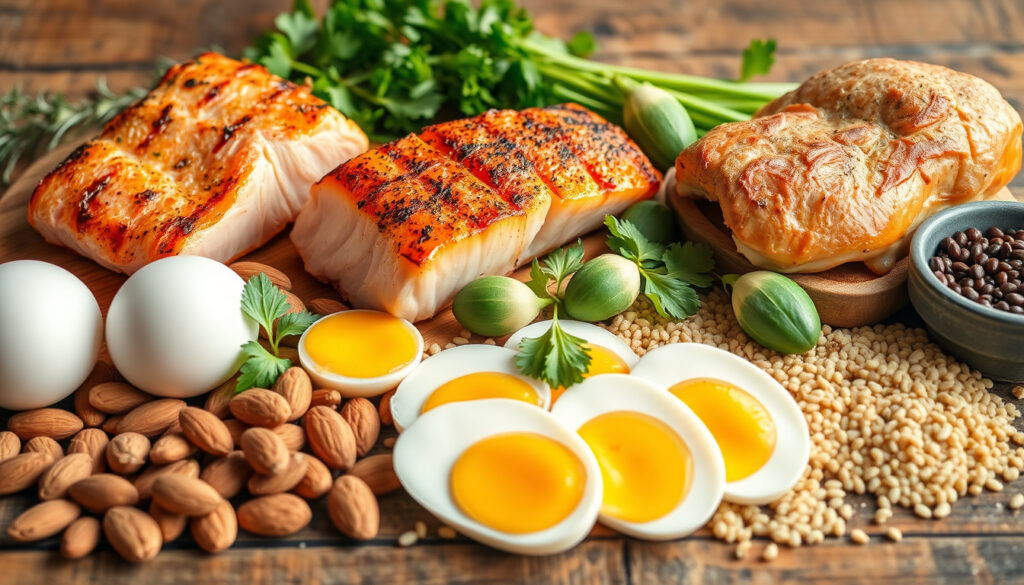
What Is the Best Protein Source? Top High-Protein Foods
If you’ve ever stood in the grocery aisle wondering which protein will actually fuel your body best, you’re not alone. Protein sources spark heated debates among nutritionists, gym enthusiasts, and anyone managing blood sugar. This guide cuts through the noise: we’re ranking complete proteins by density, checking which ones keep blood sugar steady, and laying out exactly how to hit 150 grams daily—whether you eat meat or not.
Chicken breast protein per 100g: 31g · Egg protein per large egg: 6g · 1oz lean meat protein: 7g · Turkey breast protein per 100g: 29g · Daily protein needs baseline: 0.8g per kg body weight
Quick snapshot
- Chicken breast: 31g per 100g, complete protein (Harvard Health Publishing)
- Eggs: 6g per large egg, complete protein (Diabetes Food Hub)
- Tempeh: all 9 essential amino acids, low carb (diaTribe diabetes guide)
- Optimal protein distribution across meals remains debated among nutritionists
- Individual amino acid requirements vary by activity level and age
- Plant-based protein innovations accelerating; seitan alternatives emerging
- Diabetes-focused nutrition research gaining priority in clinical studies
- Practical meal planning framework for hitting daily protein goals
- Vegetarian strategies that match meat-based protein density
| Metric | Value |
|---|---|
| Highest per 100g | Chicken breast 31g |
| Eggs per 2 | 12g protein |
| 1oz meat equivalent | 7g protein |
| Pure protein foods count | 10 from Healthline |
What food is highest in protein?
When protein density is measured by grams per 100 grams, animal sources dominate the leaderboard. Lean poultry consistently tops nutrition charts worldwide.
Animal sources
Poultry leads with chicken breast delivering 31 grams of protein per 100-gram serving—nearly one-third pure protein. Turkey breast follows closely at 29 grams, according to Harvard Health Publishing’s nutrition guidelines. Lean cuts of beef, pork tenderloin, and fish round out the top tier.
Per 100g rankings
BBC Good Food’s nutrition database ranks poultry first among protein-dense whole foods, with lean red meat, pork, fish, eggs, and dairy forming the next tier. The ranking reflects both protein quantity and amino acid completeness.
Complete vs incomplete
Complete proteins provide all nine essential amino acids. Animal sources universally qualify. Among plants, only soy products, hemp seeds, and chia seeds achieve this status, making them valuable for vegetarian protein planning.
For meat-eaters prioritizing protein density, chicken breast is the gold standard. One 170-gram chicken breast delivers roughly 53 grams—more than a third of the recommended daily intake for most adults.
What food is almost 100% protein?
Certain foods approach pure protein status, stripping away nearly all carbohydrates and fats. These options appeal to those tracking macros precisely or seeking maximum protein per calorie.
Healthline’s 10 foods list
Healthline identifies 10 foods that are nearly pure protein: chicken breast, turkey breast, egg whites, dried fish, shrimp, tuna, halibut, tilapia, cod, and lean bison. Each provides over 20 grams of protein with minimal interfering nutrients.
Dried fish and egg whites
Dried fish (such as bacalao or stockfish) concentrates protein during dehydration, yielding roughly 80 grams per 100 grams of dried product. Egg whites offer 3.6 grams of protein per large egg white with zero fat and negligible carbohydrates.
Shrimp tuna halibut tilapia
Seafood options like shrimp (24g/100g), tuna (30g/100g), halibut (31g/100g), and tilapia (26g/100g) provide high-density protein. According to Healthline’s analysis, these options also deliver omega-3 fatty acids and minerals, making them doubly valuable.
For those managing diabetes, nearly-pure-protein foods cause minimal blood sugar impact. Pairing these proteins with non-starchy vegetables creates meals that satisfy without spiking glucose levels.
What is the best protein meat for diabetics?
Diabetes management shifts the protein selection criteria. Beyond raw protein content, glycemic impact, fat composition, and preparation method matter significantly when choosing protein sources.
Lean options low in fat
Nguyen Medical Group recommends lean poultry—chicken and turkey breast without skin—as primary protein choices for diabetics. These cuts deliver high-quality protein with minimal saturated fat, which cardiovascular guidelines flag as important for people managing blood sugar.
Protein-rich for diabetes
diaTribe’s diabetes nutrition guide emphasizes tempeh and tofu for plant-based protein with diabetes-friendly profiles. Tempeh provides a complete protein that is low in carbohydrates and unlikely to cause blood sugar spikes. It also delivers calcium, iron, and magnesium—minerals that support metabolic function.
Avoid high carb enemies
Processed meats—bacon, sausage, deli slices—often contain added sugars and sodium that complicate blood sugar management. Breading and frying add carbohydrates and unhealthy fats. Diabetes-focused nutrition guidance recommends choosing unprocessed, unseasoned proteins and controlling marinades and sauces.
How to get 150g of protein a day?
Hitting 150 grams of protein daily requires strategic meal planning and consistent food choices. This target suits active individuals, those building muscle, or people following higher-protein therapeutic diets.
Meal planning steps
The Johns Hopkins Medicine nutrition protocol suggests distributing protein across three to four meals, with roughly 30-40 grams per main meal and 15-20 grams for snacks. This distribution optimizes muscle protein synthesis throughout the day.
- Breakfast: 3 eggs (18g) + Greek yogurt (16g) = 34g
- Lunch: 170g chicken breast (53g) + quinoa (8g) = 61g
- Dinner: 170g fish (48g) + lentils (18g) = 66g
- Snacks: cottage cheese (14g) + almonds (6g) = 20g
Combine sources
Mixing animal and plant proteins across meals ensures amino acid diversity while keeping calories manageable. Combining incomplete plant proteins with complementary sources—like rice and beans or whole grains with tempeh—creates complete protein profiles without meat.
Vegetarian high protein strategies
diaTribe’s plant protein guide for diabetes notes that combining different plant proteins throughout the day compensates for individual incompleteness. The guide identifies eggs, dairy, soy products, chia seeds, and hemp seeds as vegetarian complete protein sources.
Plant proteins generally require larger serving sizes to match animal protein density. A cup of lentils (18g) takes more volume than a chicken breast delivering twice the protein. Budget accordingly for satiety and total calories.
Is 2 eggs a day enough protein?
Two eggs provide a convenient protein anchor, but whether they constitute enough depends entirely on total daily intake targets and individual needs.
Protein content breakdown
One large egg delivers 6 grams of protein, making two eggs worth 12 grams total, according to Diabetes Food Hub’s protein analysis. The Get Cracking nutrition resource notes that eggs provide all nine essential amino acids in roughly a 1:1 ratio, qualifying as a complete protein with excellent bioavailability.
Daily needs context
The baseline recommendation sits at 0.8 grams of protein per kilogram of body weight—roughly 56 grams for a 70-kilogram adult. Athletes, those building muscle, or individuals on higher-protein therapeutic diets may target 1.2-2.0 grams per kilogram, pushing daily targets toward 140-160 grams.
Breakfast protein role
Research from Johns Hopkins Medicine indicates that distributing protein intake evenly—including a protein-rich breakfast—optimizes muscle protein synthesis and improves satiety throughout the day. Two eggs paired with Greek yogurt or cottage cheese creates a balanced morning protein dose of 22-30 grams.
Two eggs alone fall short for anyone targeting 100+ grams of protein daily. Use eggs as a building block rather than a sole protein source. Pair with Greek yogurt, cottage cheese, or a serving of lean meat to reach your target.
High-Protein Foods Comparison
Five protein sources span the range from pure animal density to plant-based completeness.
| Food | Protein per 100g | Complete Protein | Best For |
|---|---|---|---|
| Chicken breast | 31g | Yes | Highest density, muscle building |
| Turkey breast | 29g | Yes | Lean red meat alternative |
| Tempeh | 20g | Yes | Vegetarians, diabetes management |
| Lentils (cooked) | 9g | No | Fiber + protein, budget meals |
| Greek yogurt | 10g per 100g | Yes | Snacks, breakfast, probiotics |
The pattern across this comparison shows that animal sources maintain higher protein density, while plant options like tempeh offer competitive completeness with added fiber benefits for blood sugar management.
Step-by-Step: Building a 150g Protein Day
Structured meal planning makes the 150-gram target achievable without special equipment or expensive supplements.
- Calculate your target: Multiply your body weight in kilograms by 1.2-2.0 depending on activity level. A 70kg moderately active person targets roughly 100-140 grams.
- Distribute across 4 meals: Aim for 30-40 grams at lunch and dinner, 20-30 grams at breakfast, and 10-20 grams in snacks.
- Choose your proteins: Alternate between animal sources (chicken, fish, eggs, Greek yogurt) and plant sources (tempeh, lentils, edamame, quinoa) to balance cost, variety, and micronutrients.
- Account for combinations: Pair incomplete plant proteins with complementary sources. Rice + beans, whole grain + tempeh, or hemp seeds over salads creates complete profiles.
- Track for one week: Use a free app or written log to verify you’re hitting the target. Adjust portions of protein sources rather than adding supplements.
Protein Completeness: What You Need to Know
Understanding protein completeness helps vegetarians and flexitarians plan balanced meals without animal products.
Complete Protein Sources
- Chicken breast, turkey, lean beef
- Fish, shrimp, tuna, halibut
- Eggs (whole)
- Greek yogurt, cottage cheese
- Tempeh, tofu, edamame
- Hemp seeds, chia seeds
Incomplete (Pair With Complementary Sources)
- Lentils, chickpeas, kidney beans
- Quinoa (nearly complete)
- Seitan (not complete alone)
- Peanuts, almonds
- Oats, rice, wheat
The implication: vegetarians who combine an incomplete protein like lentils with a complementary grain at a different meal can achieve the same amino acid profile available from a single serving of chicken breast.
Expert Perspectives
Authoritative nutrition organizations consistently emphasize protein quality alongside quantity when evaluating food sources.
Lean meats remain excellent sources of high-quality protein. They provide all essential amino acids in proportions that support human tissue maintenance and muscle function.
— Harvard Health Publishing (Nutrition Research Division)
Poultry, lean red meat, pork, fish, eggs, and dairy offer the most bioavailable protein forms. For most people, variety across these sources ensures micronutrient completeness alongside protein.
— BBC Good Food (Specialist Nutrition Database)
The 10 foods nearly pure protein—chicken breast, turkey breast, egg whites, dried fish, shrimp, tuna, halibut, tilapia, cod, and lean bison—represent the highest-density options for anyone tracking macros precisely.
— Healthline (Nutrition Analysis Team)
The pattern emerging across authoritative nutrition sources is clear: protein density correlates with completeness, and animal sources dominate both categories. However, well-planned vegetarian diets using tempeh, tofu, hemp seeds, and strategic combinations can match these profiles.
Related reading: Greek Yogurt Nutrition · Irish Soda Bread Recipe
diabetesmealplans.com, diabetes.org, diabetes-m.com, diabetesfoodhub.org, healthline.com, culturalhealthsolutions.com, kimssunshine.co.in
Frequently asked questions
What are high protein foods for vegetarians?
Vegetarians can access complete proteins through eggs, dairy products, soy foods (tofu, tempeh, edamame), hemp seeds, chia seeds, and nutritional yeast. Combining incomplete sources like beans with rice throughout the day also provides all essential amino acids.
What are the top 10 protein foods?
Healthline ranks these highest: chicken breast, turkey breast, egg whites, dried fish, shrimp, tuna, halibut, tilapia, cod, and lean bison. Each delivers over 20g protein per 100g with minimal fat and carbohydrates.
What are the highest protein foods per 100g?
Chicken breast (31g), turkey breast (29g), tuna (30g), halibut (31g), and dried fish (80g) rank highest per 100g. For plant sources, tempeh (20g), seitan (25g), and tofu (12g) lead the density chart.
What is the best protein source for weight loss?
High-protein, lower-calorie sources like chicken breast, fish, egg whites, Greek yogurt, and tempeh support satiety while maintaining caloric deficit. Protein’s thermic effect (20-30% of calories burned digesting it) also aids weight loss.
What are sources of protein for vegetarians?
Complete vegetarian proteins: eggs, Greek yogurt, cottage cheese, milk, soy products, hemp seeds, chia seeds, nutritional yeast. Incomplete: lentils, beans, quinoa, nuts, whole grains (combine for completeness).
How much protein do you need daily?
The baseline is 0.8g per kilogram of body weight (56g for a 70kg adult). Athletes and those building muscle may need 1.2-2.0g per kilogram. People managing diabetes or following therapeutic diets should consult healthcare providers for personalized targets.
Are eggs a complete protein?
Yes. Whole eggs provide all nine essential amino acids in proportions that support human protein synthesis. One large egg contains 6g of protein with excellent bioavailability—meaning your body absorbs and uses it efficiently.
More related posts
 Bath & Body Works Ireland: Where to Buy, Products & Sales (2025)
 Geothermal Pools in Reykjavik Iceland: Complete Guide
 DoneDeal Classic Cars Ireland: Find & Buy Vintage Cars
 Can You Eat Prawns When Pregnant? Safety Guide
 Peter McVerry Trust Secret Fees: Controversy & Deals
 Roy Keane Saipan Movie: Where to Watch, Reviews, and Facts
 TUD Calendar 2025/26: TU Dublin PDF, Dates & Timetables
 Online Pendulum Yes or No: How to Use & Accuracy