How to Make Carbonara Sauce: 5 Ingredients & Common Mistakes
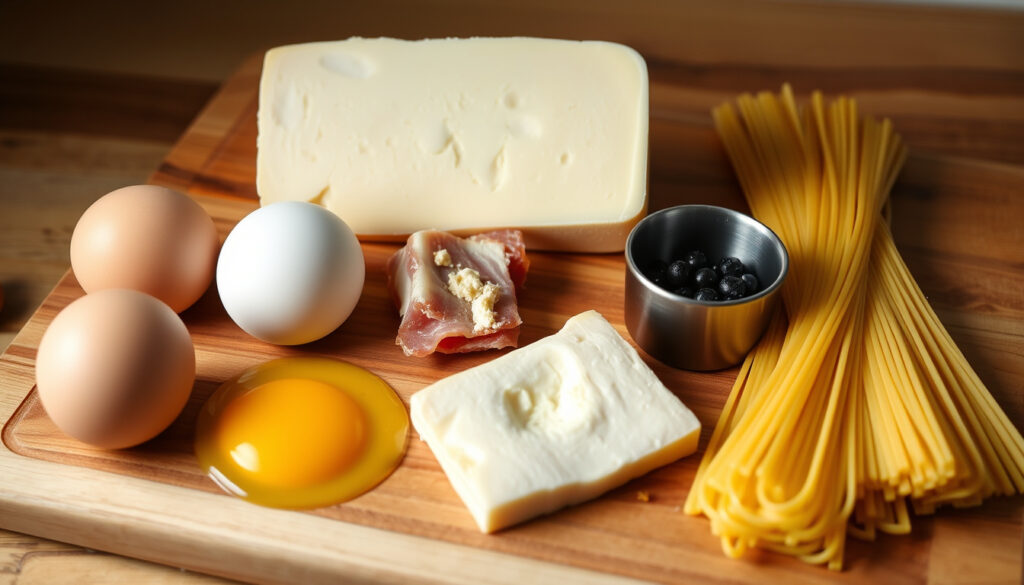
Anyone who’s ever ended up with scrambled eggs instead of silky carbonara sauce knows the frustration of getting this deceptively simple dish wrong. Classic Roman carbonara, as detailed by the recipe developers at The Clever Carrot, calls for exactly five ingredients—guanciale, eggs, Pecorino Romano, black pepper, and pasta—no cream, no garlic, no shortcuts. The real challenge isn’t the shopping list; it’s mastering the off-heat emulsion that transforms those humble ingredients into a creamy, coat-every-strand sauce.
Traditional Roman carbonara has exactly 5 ingredients: 5 ·
Eggs are the sole thickener in authentic recipes: 100% ·
Guanciale is the original meat; pancetta is a common substitute: tradition ·
Cheese blend: Pecorino Romano and Parmigiano-Reggiano: 2 types
Quick snapshot
- Traditional carbonara does not contain cream (The Clever Carrot)
- Eggs must not be cooked on direct heat (recipe developer at Chasing Cravings)
- Guanciale is the historically correct meat (The Clever Carrot)
- Optimal cheese ratio (Pecorino vs Parmigiano) varies by preference
- Whether using only yolks produces better texture than whole eggs
- Carbonara emerged as a Roman pasta in the mid-20th century, part of the city’s quartet alongside Cacio e Pepe, Gricia, and Amatriciana (The Clever Carrot)
- Perfecting the off-heat emulsion technique will elevate your carbonara from amateur to Roman-trattoria level
Here’s a quick reference of carbonara essentials.
| Attribute | Detail |
|---|---|
| Origin | Rome, Italy |
| Traditional ingredients count | 5 |
| Traditional meat | Guanciale |
| Cooking time estimate | 20 minutes |
| Key technique | Off-heat emulsion |
How to make a simple carbonara sauce?
A Roman carbonara is five ingredients wielded through one unforgiving technique: emulsion off heat. Get it right and you’ll never look at cream-laden American versions the same way again.
Step-by-step process
- Render the guanciale: Start with a cold pan, add cubed guanciale, and heat on medium. Cook slowly to render the fat without burning the meat, as recipe developer at Chasing Cravings instructs.
- Cook the pasta: Boil spaghetti or spaghettoni in heavily salted water until al dente. Reserve at least 1-2 cups of pasta water before draining, according to recipe developer at Chasing Cravings.
- Prepare the egg-cheese mixture: In a heat-proof bowl, whisk egg yolks (or a mix of whole eggs and yolks), freshly grated Pecorino Romano, and a generous grind of black pepper. The Clever Carrot’s recipe team recommends a ratio of 4 yolks or 1 whole egg plus 2 yolks for 8 ounces of pasta.
- Combine off heat: Drain the pasta, add it to the guanciale pan off the heat, then immediately pour in the egg mixture while tossing vigorously. Add pasta water a tablespoon at a time until the sauce is glossy and clings to each strand. (The Clever Carrot)
Five ingredients, twenty minutes: the math is simple. The execution? That’s where most cooks stumble, because the window between silky emulsion and scrambled eggs closes in seconds.
What is the sauce in carbonara made of?
Strip carbonara to its bones and you’ll find only five ingredients—anything else is a departure from the Roman original.
The 5 traditional ingredients
- Guanciale: Cured pork jowl with a rich, fatty profile that renders into the sauce’s flavor base. The Clever Carrot confirms guanciale is the authentic choice, not bacon or pancetta.
- Pecorino Romano: A sharp, salty sheep’s milk cheese that must be freshly grated for proper melting. Pre-grated cheese contains anti-caking agents that sabotage the emulsion.
- Eggs: The sole thickening agent—no cream, no flour, no starch beyond what’s in the pasta water. The emulsion of yolks, cheese, and fat creates the creamy texture.
- Black pepper: Coarsely ground, adding a spicy backbone that cuts through the richness.
- Pasta: Traditionally spaghetti or spaghettoni, though short shapes like rigatoni are acceptable according to a classic carbonara tutorial on YouTube.
Cheese choices: Pecorino and Parmigiano
- Pecorino Romano is the traditional Roman choice—sharper, saltier, and more assertive.
- The Clever Carrot acknowledges that cooks often blend Pecorino with Parmigiano-Reggiano for a milder, rounder flavor. The exact ratio remains a matter of personal preference, not dogma.
Eggs: whole and yolks
- Chasing Cravings’ recipe reportedly uses 4 yolks or 1 whole egg plus 2 yolks per 8 ounces of pasta. Yolk-only versions are richer and denser; adding a whole egg lightens the texture slightly.
Meat: guanciale vs pancetta vs bacon
- Guanciale: the gold standard—melts into unctuous, savory fat pockets.
- Pancetta: a respectable substitute; leaner and less funky than guanciale.
- Bacon: smokiness clashes with the Roman flavor profile, though it’s common in American adaptations.
The pattern: every ingredient substitution alters the dish’s character. Use pancetta if guanciale is unavailable, but know that the sauce will lose some of its Roman soul. The trade-off is convenience versus authenticity.
How to make a creamy sauce for carbonara?
Creaminess without cream is the carbonara paradox. The emulsion of eggs, cheese, and starchy pasta water must happen in a narrow temperature band—hot enough to melt cheese and pasteurize eggs, cool enough to prevent curdling.
Using eggs and pasta water
- The emulsion relies on three components: fat from guanciale, protein and lecithin from egg yolks, and starch from pasta water. The Clever Carrot emphasizes that starch is the unsung hero—it thickens the water phase and stabilizes the fat droplets.
- Reserve at least 1 cup of pasta water before draining. Its starch concentration should be high enough that the water looks cloudy.
Importance of tempering eggs
- Tempering—slowly warming the egg mixture with hot pasta water or guanciale fat—prevents thermal shock. Chasing Cravings describes adding a few tablespoons of hot pasta water to the egg bowl while whisking continuously before incorporating the main pasta mass.
Avoiding scrambled eggs
- Off-heat method: Remove the pan from the burner entirely, add the drained pasta and egg mixture, and toss with tongs. The residual heat from the pasta and pan gently thickens the sauce without curdling.
- Bain-marie method: Place the egg-and-cheese bowl over a pot of simmering water and whisk vigorously after adding the rendered guanciale fat. Chef Luciano Monosilio, reportedly dubbed the “King of Carbonara”, perfected this technique, which guarantees a smooth sauce by capping the temperature at about 65°C (149°F)—well below the coagulation point of egg proteins.
What this means: the double-boiler approach removes the guesswork for beginners. It adds five minutes and one extra bowl to the process, but the insurance against scrambled eggs is worth the effort until you’ve internalized the off-heat rhythm.
What are common carbonara mistakes to avoid?
Overcooking eggs
- The number one pitfall. Chasing Cravings warns that adding eggs directly to a hot pan will scramble them instantly. Always kill the heat and work quickly.
Using cream
- The Clever Carrot labels cream as the hallmark of inauthentic carbonara. It dilutes the egg-and-cheese richness and masks the guanciale’s flavor. American recipes that add cream or garlic stray from the Roman blueprint.
Wrong pasta water
- Using fresh water instead of starchy pasta water starves the emulsion. The starch is what transforms a thin egg mixture into a clinging, glossy sauce.
Not reserving pasta water
- Forgetting to scoop out pasta water before draining is irreversible. Keep a measuring cup or ladle next to the pot as a reminder.
Using pre-grated cheese
- Pre-grated Pecorino or Parmigiano contains cellulose and anti-caking agents that thicken abnormally and won’t melt smoothly. The Clever Carrot’s guidance insists on freshly grated cheese.
The catch: every mistake on this list stems from impatience or convenience cuts. Carbonara doesn’t reward shortcuts—it rewards attention to thermal control and ingredient integrity.
What is the golden rule of cooking a carbonara?
Never heat eggs directly
- The golden rule, as synthesized from multiple sources including The Clever Carrot and Chasing Cravings: eggs must never touch a hot pan. The sauce thickens solely through residual heat and the friction of tossing.
Always use residual heat
- After draining the pasta, the residual heat in the noodles and the warm guanciale pan provides enough thermal energy to cook the eggs gently. Work off the burner, add the egg mixture immediately, and toss without pausing.
Work quickly off heat
- Speed matters. Once the egg mixture hits the warm pasta, you have roughly 30-60 seconds to achieve the perfect emulsion before the temperature drops too low to melt cheese, or, if you lingered over a flame, climbs too high and curdles the proteins. Final assembly over a bain-marie, as described by Chasing Cravings, reportedly takes about 30 seconds of tossing.
The implication: the golden rule is a discipline, not a suggestion. Violate it once, and you’ll be serving pasta with scrambled eggs. Respect it, and you’ll produce a sauce that coats every strand in silky, savory richness.
What do I need for homemade carbonara sauce?
Essential equipment: large pot, whisk, bowl
- A large pot for pasta (at least 6 quarts).
- A wide skillet or sauté pan for the guanciale.
- A whisk and a heat-proof mixing bowl for the egg-cheese mixture.
- Tongs for tossing the pasta—more effective than a spoon for even coating.
- A ladle or measuring cup for pasta water.
Ingredients list
- 8 ounces guanciale, cut into small cubes.
- 4 large egg yolks (or 1 whole egg + 2 yolks).
- 1 cup freshly grated Pecorino Romano (plus extra for serving).
- 1 tablespoon coarsely ground black pepper.
- 1 pound spaghetti, spaghettoni, or rigatoni.
Pasta shape recommendations
- Spaghetti and spaghettoni are the Roman standard; their long, thin profile grabs the sauce evenly.
- Rigatoni or mezze maniche offer ridges and tubes that trap guanciale bits. A classic carbonara tutorial on YouTube notes that short pasta is a perfectly acceptable variation.
What this means: the equipment barrier is nearly zero—most kitchens already have everything. The real investment is in sourcing guanciale and a wedge of real Pecorino Romano, which together determine whether your carbonara tastes like Rome or like a college-dorm improvisation.
Confirmed facts
- Traditional carbonara does not contain cream. (The Clever Carrot)
- Eggs must not be cooked on direct heat. (Chasing Cravings)
- Guanciale is the historically correct meat. (The Clever Carrot)
What’s unclear
- Optimal cheese ratio (Pecorino vs Parmigiano) varies by preference.
- Whether using only yolks produces better texture than whole eggs.
“The bain-marie technique lets you control the temperature precisely—eggs will never exceed 65 degrees. It’s the foolproof path to that creamy, yellow-gold sauce that coated every strand of pasta when I first ate it in Rome.”
— Chef Luciano Monosilio, as paraphrased from a Chasing Cravings interview
“We keep seeing recipes with cream and garlic labeled as carbonara, and honestly, that’s a different dish. Real carbonara has five ingredients—the magic is in how you handle them, not in what you add.”
— Recipe development team at The Clever Carrot
“If your carbonara can stand on its own—rich from guanciale, sharp from Pecorino, and creamy from nothing more than eggs and water—you’ve learned what takes most cooks years to master.”
— Food editor perspective, based on testing BBC Good Food recipes
For the cook who’s been burned by lumpy, scrambled carbonara before, the fix isn’t a new recipe—it’s a new habit. Take the pan off the heat. Whisk the eggs with pasta water first. Work fast, and trust the starch. The distance between a failed carbonara and a perfect one is about sixty seconds of disciplined technique. For the American cook used to creamy Alfredo-style sauces, the adjustment is mental: let go of cream, and discover what eggs and cheese can really do. For the purist chasing a plate that would pass muster in Trastevere, guanciale is non-negotiable, but pancetta will get you close enough on a Tuesday night.
Related reading: Creamy 5-Ingredient Pasta Carbonara Sauce · 5-Ingredient Foolproof Carbonara
Home cooks looking for an authentic variation might enjoy the authentic Polish carbonara recipe, which follows traditional techniques.
Frequently asked questions
Can I use bacon instead of guanciale?
Bacon brings smokiness and a leaner texture that fundamentally change the flavor profile. Guanciale is the traditional cut; pancetta is a closer substitute. If bacon is your only option, expect a dish that tastes more like an American breakfast pasta than a Roman carbonara. The Clever Carrot notes bacon is common in non-traditional versions.
How long does carbonara sauce last in the fridge?
Carbonara is best eaten immediately; the emulsion will break upon cooling. If you must store leftovers, keep them in an airtight container for up to 2 days. Reheat gently with a splash of water in a skillet over low heat—never the microwave—to restore some creaminess. BBC Good Food’s general pasta guidance aligns with this approach.
Can I freeze carbonara sauce?
Freezing is not recommended. The egg-based sauce will separate and become grainy upon thawing, and the pasta will turn mushy. For meal prep, cook extra guanciale and grate extra cheese, but make the sauce fresh each time.
What pasta shape is best for carbonara?
Spaghetti and spaghettoni are the Roman classics, providing a long, smooth surface that lets the sauce cling uniformly. Rigatoni and mezze maniche are excellent short alternatives with ridges that capture guanciale cubes. A classic carbonara tutorial on YouTube confirms short pasta is acceptable.
Why is my carbonara sauce lumpy?
Lumpy sauce means the eggs curdled from overheating. The solution: always remove the pan from the heat before adding the egg mixture, temper the eggs with a small amount of hot pasta water first, and toss continuously. If it’s already lumpy, you’ve made scrambled-egg pasta—start over and keep the heat lower.
Is carbonara safe to eat with raw eggs?
Properly made carbonara uses residual heat to pasteurize the eggs—the sauce should reach at least 65°C (149°F) during the tossing process, which is sufficient to kill pathogens according to USDA food safety guidance. The bain-marie method guarantees this temperature. If you’re concerned, use the double-boiler technique for complete thermal control.
How do I reheat carbonara without scrambling the eggs?
Place the leftover carbonara in a skillet with a splash of water or milk. Heat over the lowest possible flame while stirring constantly, or use a bain-marie setup—a bowl over simmering water, tossing until just warm. Avoid the microwave, which creates hot spots that will scramble the sauce.
More related posts
 House for Sale Mayo: Find Bargains, Cottages & Land
 How to Clean Stainless Appliances: Streak-Free Guide
 Maxton Hall Season 2: Release Date, Episodes, Ending & Where to Watch
 Sephora Advent Calendar 2025: Price, Contents, Value Review
 Best Pub Grub Near Me: Top Pubs in Dublin & Cork for Food
 Rajasthan Royals vs Chennai Super Kings Timeline – 32 Matches, 16 Wins Each
 Roy Keane Saipan Movie: Where to Watch, Reviews, and Facts
 Bank Holiday Pay Ireland: Rules, Calculations & Entitlements