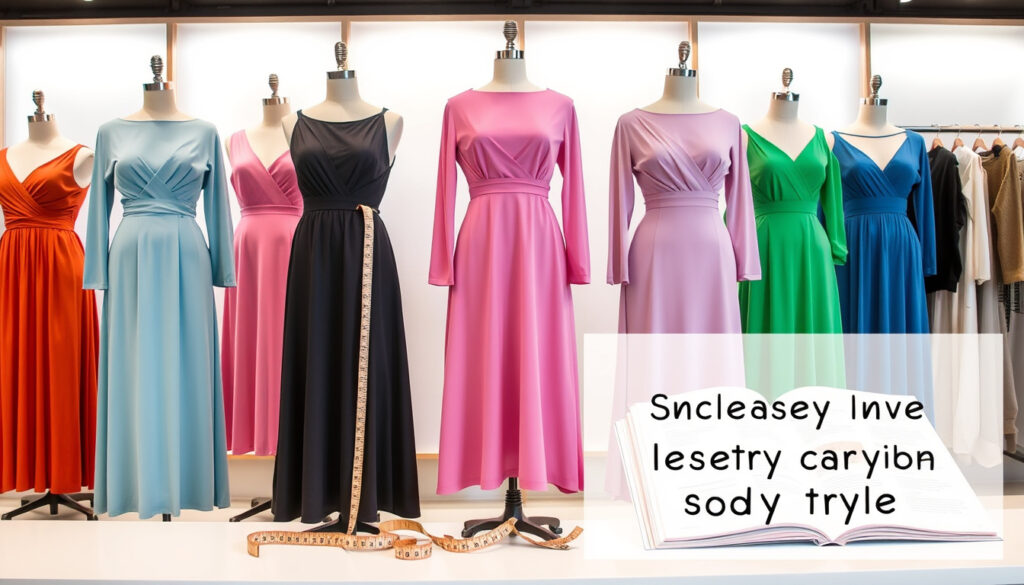
Long Sleeve Midi Dress Styling Guide for Every Body Type
Finding a dress that feels both comfortable and stylish can be surprisingly tricky. The long sleeve midi dress — falling below the knee and above the ankle, typically around mid-calf — offers a versatile option that suits many occasions and body types; this guide draws on expert styling advice and retailer data to help you choose and wear one with confidence.
Length: Below knee to mid-calf ·
Occasions: Formal, casual, wedding guest, work ·
Body Type Suitability: Flattering for most
Quick snapshot
- Opt for structured fabrics like crepe or satin House of Sava (fashion styling blog)
- Pair with heels and clutch (House of Sava (fashion styling blog))
- Neutral shades or jewel tones (House of Sava (fashion styling blog))
- Choose knit or cotton jersey YouTube (style video)
- Add sneakers or flat boots (YouTube (style video))
- Layer with denim jacket (YouTube (style video))
- Floral prints or lace details
- Block heels and delicate jewelry
- Avoid white – opt for blush, navy, or emerald
- A-line or wrap silhouette Sixty and Me (lifestyle site for women over 60)
- Medium-length sleeves (3/4 or wrist) (Sixty and Me (lifestyle site for women over 60))
- Pearl accessories and low block heels (Sixty and Me (lifestyle site for women over 60))
Here are the key specifications for a long sleeve midi dress.
| Attribute | Detail |
|---|---|
| Definition | A midi dress falls between the knee and mid-calf, typically 38–48 inches in length. |
| Length | Below knee to mid-calf (approx. 40–48 inches total length) |
| Sleeve | Long sleeve covers the entire arm to the wrist. |
| Occasions | Formal, casual, wedding guest, work |
| Body Type Suitability | Flattering for most; especially hourglass, pear, and rectangle. |
Are Midi Dresses Flattering?
What is the most flattering midi style?
“A-line dresses are widely recommended because they skim the hips rather than cling to them.” — Sixty and Me
- A-line dresses are widely recommended because they skim the hips rather than cling to them, according to Sixty and Me (lifestyle site for women over 60).
- Fit-and-flare silhouettes define the waist and allow the skirt to move, making them a repeat recommendation for older women, notes a style video on YouTube.
- Wrap dresses create waist definition and visual balance — a go-to for curvier figures, per House of Sava (fashion styling blog).
The implication: the most flattering midi style depends on your body shape, but A-line and wrap cuts consistently receive the highest endorsements from multiple sources.
What are midi dresses?
“The term ‘midi’ entered fashion vocabulary in the 1970s as a midpoint between mini and maxi lengths.” — Encyclopaedia Britannica
A midi dress is any dress whose hemline lands between the knee and the ankle, typically around mid-calf. The long sleeve version adds full arm coverage, which not only increases warmth but also creates a continuous line that can lengthen the torso. As Britannica (fashion reference resource) explains, the term “midi” entered fashion vocabulary in the 1970s as a midpoint between mini and maxi lengths. Today, it’s a staple length because it offers coverage without the weight of a floor-length gown.
What Body Types Look Best in Maxi Dresses?
Maxi dresses flatter tall and slender frames exceptionally well, but for most body shapes — especially hourglass, pear, and rectangle — the midi length delivers more proportion. The long sleeve midi, in particular, balances the upper and lower body, making it a safer bet for women who are petite or carry weight in the midsection.
Maxi vs Midi: Which Dress Length Works Best for Your Body Type?
Five key contrasts, one pattern: midi lengths are more forgiving for a wider range of figures.
| Aspect | Maxi dress | Long sleeve midi dress |
|---|---|---|
| Length | Floor-length or ankle-grazing | Below knee to mid-calf |
| Best for | Tall, slender frames; formal events | Most body types; everyday and special occasions |
| Body shape fit | Can overwhelm petite or curvy figures | Hourglass, pear, rectangle – all well suited |
| Styling ease | May require heels to avoid dragging | Works with flats, sneakers, or heels |
| Volume handling | Full skirts can add bulk | A-line or wrap styles minimize bulk |
The catch: while maxi dresses have their place, the long sleeve midi dress offers more versatility across body types and occasions. For women over 60, the midi length avoids the potential trip hazard of a maxi while still providing coverage.
What body types look best in maxi dresses?
Maxi dresses are most flattering on tall, slender individuals because the continuous line from shoulder to floor elongates the silhouette. According to House of Sava (fashion styling blog), pleated or tiered maxi skirts are recommended for straighter or less curvy body types because they add movement and volume. However, for hourglass and pear shapes, a belted shirt dress or wrap silhouette in a midi length often provides better proportion — the same source notes that belted shirt dresses are often suggested for hourglass figures because they emphasize an already-defined waist.
How Do You Dress Classy if You Have a Belly?
A long sleeve midi dress with an empire waist or wrap front avoids drawing attention to the midsection, and long sleeves create a vertical line that pulls the eye upward. The right fabric choice — structured rather than clingy — makes the difference between a dress that hides and one that enhances.
How to find outfits that flatter your belly
- Empire waist dresses sit just below the bust, allowing the fabric to fall loosely over the stomach area.
- Wrap dresses cinch at the side, creating an adjustable fit that accommodates different midsections.
- A-line shapes flare from the waist outward, skimming the hips rather than clinging. Sixty and Me recommends A-line as a top pick for women who want to minimize the midsection.
What style of midi dress is best for a belly?
Structured fabrics such as ponte knit, cotton blends, light wool crepe, or matte crepe are recommended because they drape without clinging, according to a YouTube styling guide. Soft jersey and matte crepe also skim the body rather than grip it, the same source notes. For warm weather, cotton and linen blends are recommended because they breathe well, per House of Sava. The rule: avoid clingy knits and opt for fabrics that hold a gentle shape.
Accessories can also help. A structured belt or a cardigan layered over the shoulders draws the eye outward. Pointed-toe flats or low heels create a more polished line, as recommended in the same YouTube style video.
What Shape of Dress Is Most Slimming?
How to look slimmer in a dress
- V-necklines elongate the neck and torso.
- Vertical seams and darker solid colors create a slimming illusion.
- Long sleeve midi dresses in a single tone are highly slimming because the continuous color line avoids breaks.
- Avoid excessive volume (e.g., puff sleeves, tiered ruffles) and horizontal stripes, which widen the perceived shape.
The pattern: a long sleeve midi dress with a defined waist, a balanced neckline, breathable fabric, and footwear that matches the outfit’s vibe — these four elements form the style checklist that House of Sava presents for achieving a polished look.
What dress shapes are most slimming?
“Wrap dresses create waist definition and visual balance — a go-to for curvier figures.” — House of Sava
Fit-and-flare and wrap silhouettes consistently top the list. Fit-and-flare defines the waist and allows the skirt to move, while wrap dresses create an adjustable waist and a V-neckline. Style videos emphasize that adding or changing a belt is one of the simplest ways to restyle a midi dress and draw attention to the narrowest part of the body.
What Is the 3-3-3 Rule for Clothes?
How to apply the 3-3-3 rule to a long sleeve midi dress outfit
A widely shared styling principle known as the 3-3-3 rule suggests limiting an outfit to three colors, three pieces, and three accessories maximum. For a long sleeve midi dress, that might mean:
- Three pieces: the dress itself, a blazer or jacket, and boots.
- Three accessories: a scarf, a bag, and earrings.
- Three colors: a neutral base (e.g., black or navy), one accent color (e.g., rust or burgundy), and a metallic or neutral for accessories.
“Adding or changing a belt is one of the simplest ways to restyle a midi dress.” — YouTube (style video)
The rule keeps outfits refined and easy to style. Layering a midi dress with a cardigan is a practical way to adapt for changing weather, as noted in a YouTube styling tutorial, and adding tights and ankle boots is common for cooler weather — both approaches stay within the three-piece guideline.
Confirmed Facts & What’s Unclear
Confirmed facts
- Long sleeves add formality and coverage.
- A-line, wrap, and fit-and-flare are recommended silhouettes for a flattering fit.
What’s unclear
- Exact search volume data for “long sleeve midi dress” is not publicly available.
- Long-term trend data for this specific combination is not provided in current research.
- Availability of long sleeve midi dresses from specific retailers (H&M, Coast, Karen Millen) is not independently verified in this guide.
youtube.com, aliexpress.com, awellstyledlife.com, sixtyandme.com, macys.com
For more on how to wear this versatile piece, check out our long sleeve midi dress styling tips for every occasion.
Frequently asked questions
What length is a midi dress?
A midi dress falls between the knee and the ankle, typically around mid-calf. The exact length usually ranges from 38 to 48 inches, depending on the wearer’s height.
Can I wear a long sleeve midi dress to a wedding?
Yes. Long sleeve midi dresses are popular choices for wedding guests, especially in fall and winter. Opt for floral prints, lace, or jewel tones and avoid white.
Is a long sleeve midi dress appropriate for work?
Absolutely. The long sleeve midi dress is a professional staple. Pair it with blazers, low heels, and minimal accessories for a polished office look.
What shoes go with a long sleeve midi dress?
Pointed-toe flats, low block heels, ankle boots, and sneakers all work. The choice depends on the occasion: heels for formal, flats for office, sneakers for casual.
How do I style a long sleeve midi dress for casual wear?
Layer with a denim jacket or cardigan, add sneakers or flat boots, and keep accessories minimal. Knit or jersey fabrics work best for a relaxed vibe.
What is the difference between maxi and midi?
Maxi dresses extend to the floor or ankle, while midi dresses stop at mid-calf. Midi is usually more practical for everyday wear and suits a wider range of heights.
What color long sleeve midi dress is most versatile?
Black, navy, or burgundy. These neutral shades can be dressed up or down and accessorized with bright scarves or jewelry.
Can a 60-year-old wear a midi dress?
Yes. Midi dresses are especially flattering for women over 60 because they provide coverage without being overwhelming. A-line or wrap styles in structured fabrics are recommended.
For anyone shopping for a long sleeve midi dress, the choice is clear: prioritize a silhouette that defines your waist, choose a fabric that drapes without clinging, and follow the 3-3-3 rule to keep your outfit refined. Whether you’re attending a wedding, heading to the office, or enjoying a casual day out, this dress length offers a balance of comfort and style that few other cuts can match.
For more women’s fashion inspiration, check out our guide to Pamela Scott Online Sale Ireland and our Armani Luminous Silk Foundation Guide.
More related posts
 Where to Find Cheap Baby Items in Ireland: Budget Guide
 What Is Normal Body Temperature? Ranges for Adults, Kids & More
 Film 4 TV Guide: Today, Tonight & Weekly Schedules
 Zoë Kravitz Movies and TV Shows: Complete Guide
 PSO Levy Cut Ireland: New Electricity Prices from December 2025
 Hotel Riu Plaza The Gresham Dublin – Central Location and Reviews
 Wolf of Wall Street Cast Vs Real-Life Counterparts
 How to Roast Brussels Sprouts for Perfectly Crispy Results